
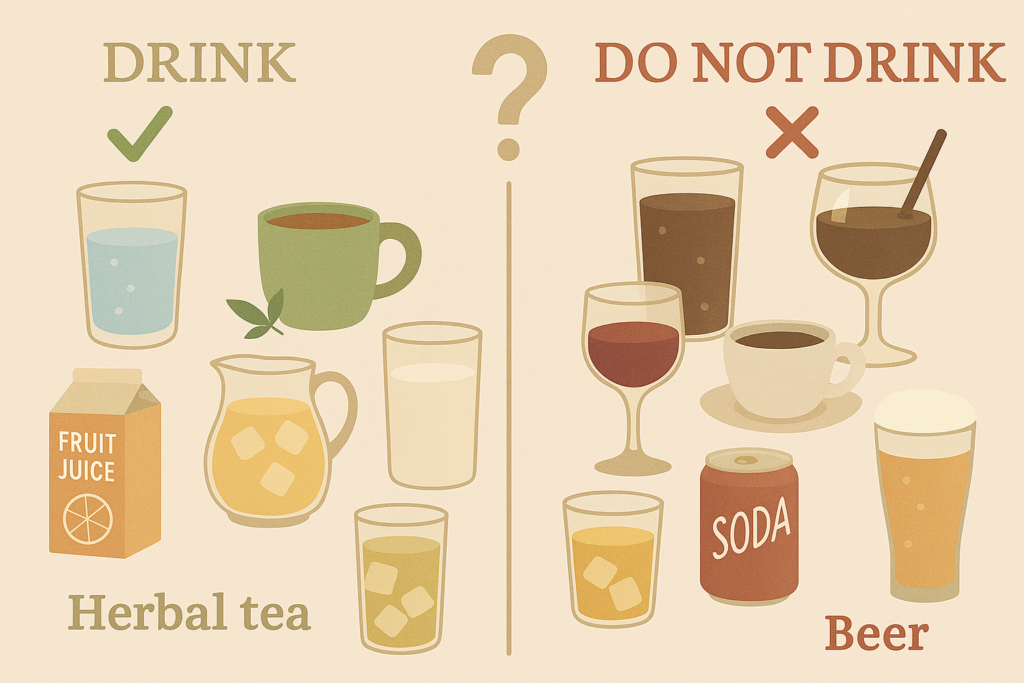
Knowing what to drink and what to avoid during cancer treatment is one of the most common questions I get in my daily practice. Yet, it’s not something emphasized much in medical school or oncology training, so it sometimes gets overlooked. Still, it’s an essential part of supportive care.
One patient told me she couldn’t tolerate plain water because it made her feel nauseated. Together, we tried adding lemon slices and frozen berries, and even switching to smoothies. These small changes helped her stay hydrated and feel more in control during treatment.
There’s no true “one size fits all.” What’s best depends on your treatment type, weight, other medical conditions, and activity levels. That’s why it’s important to discuss your fluid needs with your oncology team. Many cancer centers also have registered dietitians who specialize in cancer care, don’t hesitate to ask for a referral.
How much water should you drink?
Adequate fluid intake is important for everyone, but even more so during cancer treatment. A good general goal is 64–96 ounces (8–12 cups) of non-caffeinated fluids daily.
- The American Institute for Cancer Research recommends men consume 15.5 cups (3.7 liters) and women 11.5 cups (2.7 liters) of fluids daily from all beverages and foods combined. About 20% of this typically comes from food.
- Some chemotherapy drugs require extra fluids to protect your kidneys; you may also receive IV fluids during treatment.
Tips for staying hydrated
- Sip small amounts frequently—keep a water bottle with you.
- Avoid gulping large volumes at once, which can worsen nausea.
- Drink a glass first thing in the morning—after 7–8 hours of sleep, your body is already dehydrated.
- Flavor your water with lemon, berries, or cucumber.
- Try sparkling water for variety.
- Use smoothies with fruits and vegetables as a hydrating option.
Other good fluid sources
- Fruits & vegetables: watermelon, cantaloupe, strawberries, grapes, cucumbers, tomatoes, lettuce.
- Dairy: milk, flavored milk, yogurt.
- Nutritional supplements: Ensure, Boost.
- Juices: preferably non-acidic, such as apple or pear juice.
What to limit or avoid
- Caffeine: ideally ≤2 cups of coffee per day (≤4 is max). Tea has ~⅓ the caffeine of coffee.
- Sugary sodas or beverages—may contribute to weight gain and are not as hydrating.
- Energy or sports drinks high in caffeine/sugar
- High-salt beverages—can cause fluid retention and elevated blood pressure.
- Alcohol—avoid, as it increases fluid loss.
Why hydration matters
- Flushes toxins from treatment.
- Reduces side effects—being dehydrated can worsen nausea, fatigue, and kidney strain.
- Replenishes fluids lost from vomiting or diarrhea.
Warning signs you’re not getting enough fluids
Contact your oncology team immediately if you notice:
- Persistent nausea, vomiting, or diarrhea preventing fluid intake
- Dark or infrequent urine
- Dry mouth, dizziness, or lightheadedness
- Inability to keep fluids down
📚References:
- Cancer Treatment Centers of America. Hydrating Foods for Cancer Patients. Link
- American Institute for Cancer Research. How to Stay Hydrated. Link
⚠️Legal Disclaimer:
This information is for educational purposes only and is not a substitute for personalized medical advice. Always follow your oncology team’s instructions and discuss any changes in your treatment plan with them.