
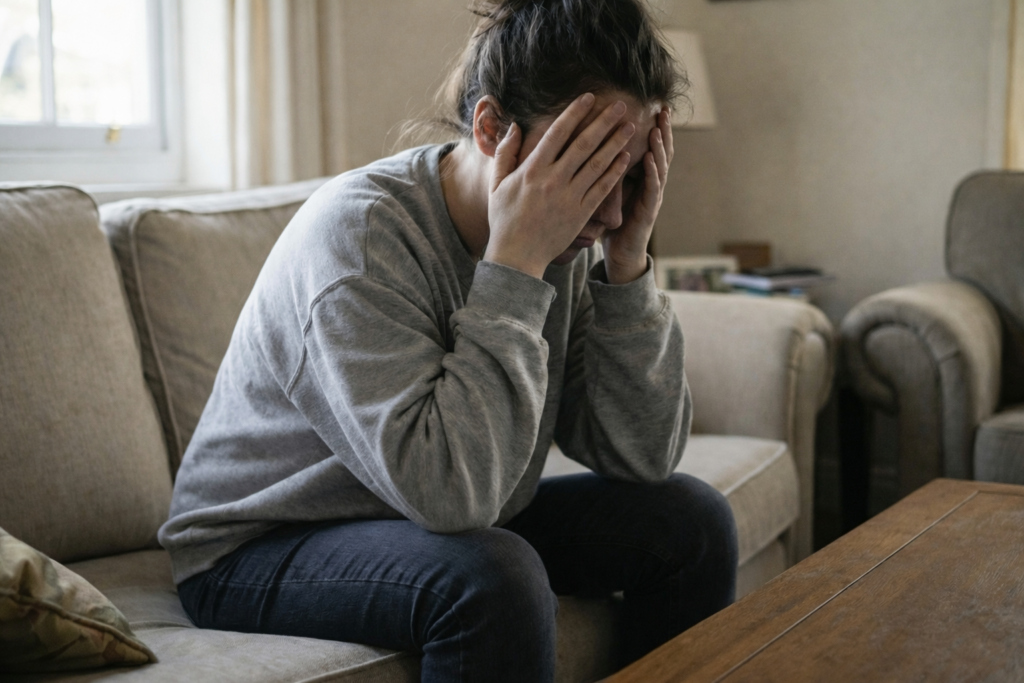
I often get asked in the Clinics on how to manage fatigue during and after cancer treatment. Fatigue is one of the most common and challenging side effects of cancer treatment. Studies show that 30–60% of people experience fatigue during chemotherapy, radiation, or surgery and for some, it can last months or even years after treatment ends. In fact, about one-third of cancer survivors still report fatigue even a year after treatment.
Cancer-related fatigue is multifactorial, meaning it has many different causes:
- The cancer itself
- Pain and the limited activity that comes with it
- Sleep disturbances
- Side effects of chemotherapy, radiation, or surgery
- Emotional stress, depression, or anxiety
- Medical factors such as low blood counts (anemia), thyroid changes, or side effects from medications (like pain medicines or steroids)
Because so many factors contribute, there isn’t a single “quick fix.” But the good news is that research has shown several effective strategies that can help reduce fatigue and improve quality of life.
Exercise is the #1 Recommended Strategy
It may feel counterintuitive when you’re already exhausted, but movement is one of the most effective ways to fight fatigue.
- Guidelines consistently recommend exercise as the first-line approach.
- All types of activity i.e. walking, light aerobics, yoga, or resistance training have shown benefit.
- There’s no “one-size-fits-all” program, but aiming for 20–30 minutes of movement, 3–4 times per week can make a real difference.
That said, it’s important to listen to your body. On days when you feel unwell, rest is appropriate — but on days you have more energy, even gentle activity can help reduce overall fatigue.
Cognitive Behavioral Therapy (CBT)
Fatigue is not just physical — it also has a mental and emotional component.
- CBT teaches coping skills and strategies to manage fatigue, stress, and negative thought patterns.
- Studies show CBT can significantly improve quality of life for cancer survivors with fatigue.
Mind-Body and Movement-Based Approaches
Mindfulness, meditation, and gentle movement practices are also supported by evidence:
- Tai chi or qigong, practiced 3–5 times per week for 20–60 minutes, can reduce fatigue and improve mood.
- Yoga and mindfulness-based stress reduction programs have also been shown to help.
Sleep and Nutrition
- Aim for 7–8 hours of quality sleep each night. Try to keep daytime naps under 30 minutes, so they don’t interfere with nighttime rest.
- A balanced diet rich in whole foods (fruits, vegetables, whole grains, lean proteins, and healthy fats) supports energy and recovery.
- Stay well hydrated — even mild dehydration can worsen fatigue.
Practical Tips for Daily Life
- Break tasks into smaller steps and pace yourself.
- Prioritize the activities most important to you.
- Keep a fatigue diary to track patterns, triggers, and times of day when you have more energy.
- Ask for help — let family and friends assist with chores or errands.
Emotional Well-being
It’s normal to feel frustrated, guilty, or discouraged about fatigue. Many patients say it feels invisible to others — but it is a very real, recognized medical issue. Remind yourself: fatigue is not a weakness; it is part of recovery.
When to Talk to Your Oncologist – Medications and Supplements
Sometimes fatigue is linked to other medical issues such as anemia, thyroid problems, or depression. Your oncology team can help evaluate and treat these underlying causes.
- Medications: Stimulants or antidepressants are not routinely recommended but may be considered in select cases.
- American Ginseng: Some studies suggest that 2,000 mg daily may help with cancer-related fatigue. However, it can interact with other medications, so it’s important to discuss with your doctor before starting.
- Reishi Extract: Several small randomized controlled trials in breast cancer patients receiving endocrine therapy showed improvements in fatigue. The evidence is still early, and larger trials are ongoing.
✅ Key Takeaway:
Fatigue during and after cancer treatment is common and often persistent, but it can be managed. The most effective approach is a combination of regular movement, coping strategies, mindfulness, good sleep, and healthy nutrition, tailored to what your body can handle. Over time, most people do experience meaningful improvement.
📌 Quick Tips to Remember
- Move your body regularly — even small amounts count.
- Sleep 7–8 hours per night; keep naps short.
- Stay hydrated and eat balanced meals.
- Practice mindfulness or gentle movement like yoga or tai chi.
- Talk to your doctor if fatigue feels overwhelming or doesn’t improve.
📚References:
- Bower JE, Bak K, Berger A, et al. Screening, assessment, and management of fatigue in adult survivors of cancer: an American Society of Clinical Oncology clinical practice guideline adaptation. J Clin Oncol. 2014;32(17):1840-1850.
- Bower JE, Lacchetti C, Alici Y, et al. Management of Fatigue in Adult Survivors of Cancer: ASCO-SIO Guideline Update. J Clin Oncol. Published online May 16, 2024.
- American Cancer Society. (2024). Managing cancer-related fatigue. Retrieved August 31, 2025, fromhttps://www.cancer.org/cancer/managing-cancer/side-effects/fatigue-weakness-sleep.html
- Barton, D. L., Liu, H., Dakhil, S. R., Linquist, B., Soori, G., … (et al.). (2013). Wisconsin ginseng (Panax quinquefolius) to improve cancer‐related fatigue: A randomized, double‐blind, placebo‐controlled trial (N07C2). Journal of the National Cancer Institute, 105(16), 1230–1238. https://doi.org/10.1093/jnci/djt181ResearchGate
- Zhao, H., Zhang, Q., Zhao, L., Huang, X., Wang, J., & Kang, X. (2012). Spore Powder of Ganoderma lucidum improves cancer‐related fatigue in breast cancer patients undergoing endocrine therapy: A pilot clinical trial. Evidence‐Based Complementary and Alternative Medicine, 2012(Article ID 809614), 1–8. https://doi.org/10.1155/2012/809614PMC+2pubmed.ncbi.nlm.nih.gov+2
⚠️Legal Disclaimer:
This information is for educational purposes only and is not a substitute for personalized medical advice. Always follow your oncology team’s instructions and discuss any changes in your treatment plan with them.