
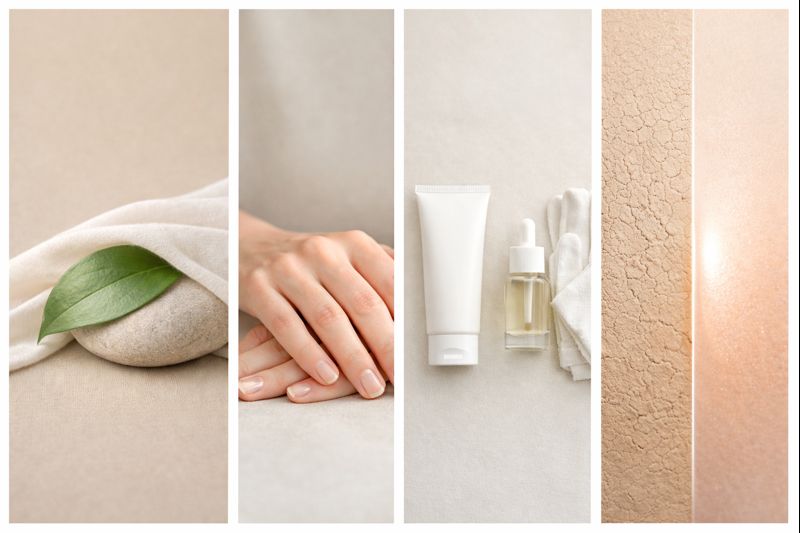
A very common and important issue often overlooked and underreported.
Why does therapy affect skin and nails?
Chemotherapy and some targeted therapies work by attacking fast-growing cells — but that includes not only cancer cells, but also healthy ones in your skin, hair, and nails. As a result, you might notice your skin becoming dry, itchy, or more sensitive, and your nails turning brittle or discolored.
Drugs like taxanes (docetaxel, paclitaxel) or EGFR inhibitors are especially known for these effects, but many other treatments can do the same. These changes are usually temporary and improve after treatment ends, though it can take time.
Chemotherapy works by affecting rapid cell division and hence affects multiple other systems that involve rapid cell division such as skin nails and GI tract. Now we have started using several “newer” therapies like immunotherapy and targeted therapy also commonly can cause skin toxicity however the mechanistic in this situation is very different. Targeted therapies inhibit specific molecules involved in tumor development and growth, having a more specific action than conventional chemotherapy, with greater efficacy and less toxicity. Many of those molecules are mutated or overexpressed on tumors, but are also present in normal tissues such as the skin. This justifies the common dermatological side effects related to this class. New promising group of agents, the “immune checkpoint” targeted agents, also known as immunotherapy. They have the goal of releasing the immune system against tumor cells, blocking inhibitory receptors expressed on T-cells such as Programmed Death 1 (PD-1) or Cytotoxic T Lymphocyte-associated Antigen 4 (CTLA-4). This releasing/activation of the immune system also affects normal cells, explaining the most common adverse events related to this class, also known as Immune-Related Adverse Events (irAE).
This is all to note the skin/nail toxicity is common and comes in various flavor depending on the treatment you are receiving however there are some common themes that can help us prepare better for this
The good news is that there are real, practical ways to help your skin and nails feel better and stay healthy during chemotherapy.
Common skin changes
You might notice:
- Dryness or flakiness- this is seen as commonly as up to 84%
- Itching or irritation
- Sensitivity to sunlight
- Darkening on elbows, knees, or neck folds aka hyperpigmentation
- however occasionally some therapies can cause hypopigmentation as well
- Redness or soreness on palms and soles (called hand-foot syndrome)
What helps:
- Use gentle, fragrance-free cleansers and thick, plain moisturizers (CeraVe, Vanicream, Eucerin, or Aquaphor are great choices).
- Apply moisturizer right after bathing to lock in moisture.
- Avoid long, hot showers or harsh soaps.
- Protect yourself from the sun — chemotherapy can make skin more sensitive. Use SPF 30+ sunscreen daily and wear hats or protective clothing when outdoors.
Common nail changes
You might notice:
- Nails becoming brittle, ridged, or darkened
- Tenderness or soreness around nail beds
- Nails loosening or lifting (rare but painful)
- Occasional infections or swelling around nails
What helps:
- Keep nails short and clean — this reduces trauma and infection risk.
- Use gloves when cleaning, gardening, or washing dishes.
- Avoid gel, acrylic, or artificial nails — they increase the risk of damage or infection.
- Moisturize cuticles regularly, but don’t cut them.
- Some infusion centers offer cold gloves or frozen gel packs during taxane infusions — studies show they may help reduce nail damage. The use of frozen gloves and socks during infusion might reduce the severity of nail alterations, but they are usually not well tolerated
If your nails become painful, red, or start lifting, let your oncology team know. Sometimes antibiotics or medicated creams are needed.
When to call your oncology team
Contact your doctor or nurse if you notice:
- Painful or swollen nail beds
- Pus, oozing, or skin breakdown
- Severe rash or peeling skin
- Fever with any skin infection
These might be early signs of infection or a reaction that needs prompt attention.
Patient-tested comfort tips
- Keep a small “skin survival kit”: gentle cleanser, thick moisturizer, hand cream, and sunscreen.
- Use a cool mist humidifier if the air is dry.
- Stay hydrated — water helps your skin heal from within.
- Ask before taking supplements like biotin for nail strength — these can be helpful but should always be cleared by your oncologist.
✅Key Takeaway:
Taking care of your skin and nails isn’t vanity — it’s comfort, confidence, and healing. These small daily habits can make a big difference in how you feel during your treatment journey. Remember, you deserve to feel well cared for, inside and out.
📚References:
- American Cancer Society. Hair, Skin, and Nail Changes from Cancer Treatment. Cancer.org
- Cancer.net Editorial Board. Skin and Nail Changes During Cancer Treatment. American Society of Clinical Oncology (ASCO).
- National Comprehensive Cancer Network (NCCN). Cancer-Related Fatigue and Survivorship Guidelines.
⚠️Legal Disclaimer:
This information is for educational purposes only and is not a substitute for personalized medical advice. Always follow your oncology team’s instructions and discuss any changes in your treatment plan with them.