
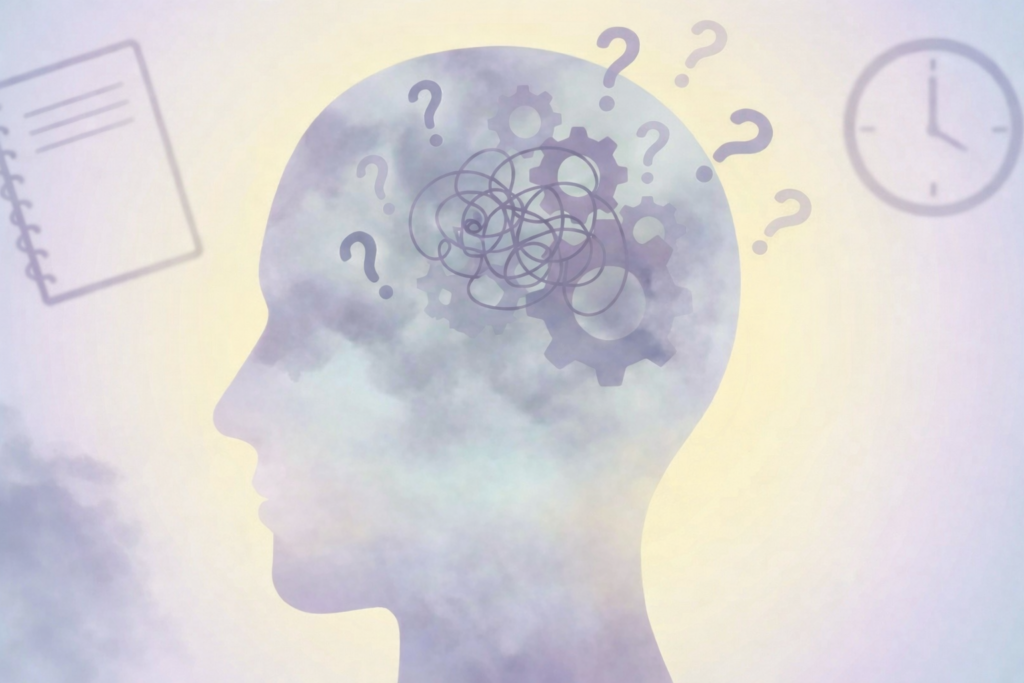
One of the questions I often hear from patients is: “Am I imagining this, or is my brain just not the same since I started cancer treatment?” The short answer: chemo brain is very real.
In medical terms, we call this Cancer-Related Cognitive Impairment (CRCI). It can happen due to the cancer itself, treatments like chemotherapy or immunotherapy, or a combination of both. Studies suggest that up to 60–70% of patients experience some form of chemo brain.
What Causes Chemo Brain?
Researchers are still learning, but here’s what we know so far:
- Direct impact of therapies: Preclinical studies show that certain cancer treatments may injure brain cells (neurons and glial cells), leading to changes in brain structure and function.
- Biological mechanisms: Oxidative stress, changes in blood supply to the brain, DNA damage, and mitochondrial injury have all been linked.
- Other contributing factors: Age, prior neurological issues, pain medications, fatigue, depression, anxiety, and sleep disturbances can all make cognitive changes worse.
One of the challenges is that standard neuropsychological tests were designed for conditions like traumatic brain injury and often miss the subtle, mostly mild changes seen with chemo brain. That’s why it often goes under-recognized.
Why Recognition Matters
Chemo brain is more than just an inconvenience. It can affect a patient’s quality of life, confidence, and independence. Some patients describe it as feeling like they’ve lost part of themselves—the ability to multitask, stay sharp at work, or simply remember what they were about to do.
Recognizing chemo brain matters because:
- It validates what patients are experiencing—helping them feel understood rather than dismissed.
- It guides supportive care strategies that can reduce frustration and improve day-to-day functioning.
- It helps caregivers and family members adapt expectations and provide better support.
Common Symptoms of Chemo Brain
Most patients describe their symptoms as mild but frustrating. These can include:
- Word-finding difficulties
- Trouble forming or expressing thoughts
- Increased forgetfulness (e.g., misplacing keys, forgetting why you walked into a room)
- Difficulty learning or remembering new information
- Trouble concentrating or completing tasks efficiently
- Challenges with decision-making or planning
- Difficulty multitasking or switching between tasks
How Do We Manage Chemo Brain?
Currently, there is no single proven medication or treatment for CRCI. Management usually involves a supportive and personalized approach:
1. Lifestyle and Mind-Body Strategies
- Exercise: Regular aerobic exercise has the strongest evidence for improving memory and cognitive function.
- Yoga & mindfulness: Great alternatives when traditional exercise feels overwhelming.
- Sleep & stress management: Addressing fatigue, anxiety, or insomnia often improves cognition.
2. Compensatory Strategies
Practical tools that can make day-to-day life easier:
- Taking notes and keeping planners
- Using smartphone reminders or alerts
- Placing essential items (keys, wallet, phone) in the same place every time
- Practicing self-talk (“What do I need to do next?”)
- Active listening and summarizing information to ensure understanding
3. Medications & Rehabilitation
- In select cases, neurologists or psychiatrists may prescribe medications such as stimulants (e.g., dextroamphetamine).
- Cognitive rehabilitation and brain training programs may help patients who need more structured support.
4. Addressing Contributing Factors
Always evaluate and treat underlying issues such as pain, depression, anxiety, medication side effects, or ongoing cancer treatments.
What Research Is Happening Now?
Chemo brain research is rapidly evolving. Some exciting areas under study include:
- Brain imaging: Advanced MRI techniques are helping researchers better understand structural and functional brain changes caused by cancer treatments.
- Cognitive rehabilitation programs: Computer-based training and specialized therapy sessions are being tested to help patients regain focus and memory.
- Biological interventions: Trials are exploring medications, anti-inflammatory agents, and even dietary interventions that might protect or restore brain function.
While there is still no “magic pill,” ongoing studies show real promise that future patients may have access to more targeted treatments.
Final Thoughts
The chemo brain is real, even if it isn’t always easy to measure or diagnose. The good news is that in most patients, symptoms are mild and manageable and with the right combination of strategies, you can often regain focus, memory, and clarity.
If you notice ongoing changes in your thinking or memory, talk with your oncology team. Simply recognizing the problem is the first and most important step.
📚Reference:
- Janelsins MC, et al. Cancer-Related Cognitive Impairment: Current Approaches and Future Directions. JCO Oncology Practice. 2024. https://doi.org/10.1200/OP-24-00953
⚠️Legal Disclaimer:
This information is for educational purposes only and is not a substitute for personalized medical advice. Always follow your oncology team’s instructions and discuss any changes in your treatment plan with them.